
Category: Uncategorized

  • Uber and Nuro begin testing premium robotaxi service in San Francisco

    Uber and Nuro begin testing premium robotaxi service in San Francisco

    Uber and Nuro Launch Premium Robotaxi Service in San Francisco

    In a groundbreaking move set to reshape urban mobility, Uber has partnered with Nuro, a leader in autonomous vehicle technology, to launch a premium robotaxi service in San Francisco. This collaboration signals a significant step forward in the integration of autonomous vehicles into urban transportation networks.

    The Vision for Autonomous Transportation

    With an increasing urban population and rising congestion, cities are grappling with the challenge of efficient transportation. Uber’s foray into the realm of robotaxis aims to address these issues by providing a reliable, safe, and green alternative to conventional ridesharing. Partnering with Nuro, known for its advanced robotics and self-driving capabilities, allows Uber to enhance its service with cutting-edge technology.

    Testing Phase

    The test phase of this premium robotaxi service will begin in select areas of San Francisco. Initially, the focus will be on specific routes where demand is high, providing a streamlined experience for early adopters. The vehicles involved in the tests are Nuro’s autonomous delivery vehicles, adapted for passenger transport. Equipped with state-of-the-art sensors, cameras, and artificial intelligence, these vehicles promise a safer, more efficient ride.

    Technology at the Helm

    Nuro’s autonomous vehicles are uniquely designed for urban environments. Their smaller size makes them adept at navigating tight spaces and busy streets, reducing the risk of accidents while ensuring enhanced maneuverability. The integration of AI allows these vehicles to learn and adapt to varying traffic situations, further boosting safety.

    The premium aspect of the service is expected to cater to customers seeking a more personalized experience. Features like in-car entertainment, climate control, and additional space might be part of the package, setting this service apart from traditional taxi alternatives.

    Regulatory and Safety Considerations

    As with any new technology, regulatory challenges and safety concerns are at the forefront of this initiative. Both companies are working closely with local government agencies to ensure compliance with existing regulations concerning autonomous vehicles. Safety will be a primary focus, with Nuro’s vehicles undergoing rigorous testing and validation before full-scale deployment.

    To address public concerns surrounding safety and reliability, both Uber and Nuro are committed to transparent communication throughout the testing phase. Regular updates on the performance of the robotaxi service will be shared and will include feedback mechanisms for users.

    Environmental Impact

    A significant benefit of this premium robotaxi service is its potential to reduce carbon emissions. With an emphasis on electric vehicles, the collaboration aligns with broader sustainability goals, catering to an increasingly eco-conscious consumer base. By alleviating the burden of traffic congestion, this initiative aims to contribute to cleaner air and a healthier urban environment.

    The Future of Urban Mobility

    Uber and Nuro’s pilot of a premium robotaxi service in San Francisco could serve as a template for other cities. If successful, this initiative may lead to expanded services in major metropolitan areas across the United States and eventually worldwide. The implications for urban transport are profound—redefining how people move within cities, breaking down barriers to mobility, and making transportation more accessible to everyone.

    Conclusion

    The partnership between Uber and Nuro to launch a premium robotaxi service in San Francisco marks a significant milestone in the evolution of urban transportation. As technology continues to evolve, so does the way we think about mobility in our cities. This innovative service demonstrates promise not only for convenience but also for creating safer and more sustainable urban environments. As testing progresses, all eyes will be on San Francisco to see how this ambitious venture unfolds and influences the future of transportation.

  • OpenAI has bought AI personal finance startup Hiro

    OpenAI has bought AI personal finance startup Hiro

    OpenAI Acquires AI Personal Finance Startup Hiro: A New Era for Financial Technologies

    In a significant move within the tech and finance sectors, OpenAI has officially announced its acquisition of Hiro, an innovative personal finance startup renowned for its advanced AI-driven financial management tools. This acquisition is set to reshape the landscape of personal finance by combining OpenAI’s revolutionary technology with Hiro’s user-centric financial solutions.

    Understanding Hiro

    Founded in 2020, Hiro rapidly gained traction for its ability to simplify personal finance management through artificial intelligence. The platform offers users tailored budgeting advice, spending analysis, and savings strategies, empowering individuals to make informed financial decisions. Hiro’s data-driven approach, paired with its intuitive interface, has made it a favored choice among millennials and Gen Z users who are increasingly seeking sophisticated yet accessible financial tools.

    Why OpenAI?

    OpenAI, widely recognized for its advancements in artificial intelligence across various domains, has consistently focused on leveraging machine learning to solve real-world problems. The decision to acquire Hiro aligns with OpenAI’s vision to democratize access to AI technologies, particularly in essential areas like personal finance.

    By integrating Hiro’s capabilities with its own AI advancements, OpenAI aims to enhance Hiro’s existing features while exploring new avenues for financial advice using generative AI. This integration promises not only to improve user experiences but also to broaden the scope of financial insights available to users.

    The Synergy of AI and Finance

    The combination of OpenAI’s extensive research and Hiro’s practical applications sets the stage for groundbreaking developments in personal finance. Key areas of potential collaboration include:

    1. Enhanced Financial Literacy: OpenAI’s natural language processing could enable Hiro to provide users with conversational insights, making it easier for them to understand their financial situations and make informed decisions.

    2. Predictive Analytics: By employing OpenAI’s robust predictive models, Hiro can anticipate users’ financial needs and offer proactive solutions, whether it’s saving for a future expense or identifying potential debt issues.

    3. Personalized User Experience: With OpenAI’s machine learning models, Hiro can refine its algorithms to offer increasingly personalized financial advice, adapting to individual spending patterns and preferences.

    4. Broader Accessibility: OpenAI’s commitment to advancing inclusive AI technology can help Hiro reach underserved populations, making financial literacy tools available to a wider audience.

    Industry Reactions

    The acquisition has sparked considerable interest across the finance and tech industries. Analysts believe that this move could signal a trend towards greater integration of AI in consumer finance, allowing companies to scale operations while enhancing customer engagement.

    Experts expect that Hiro’s existing user base will greatly benefit from the enhanced features, while potential new users attracted by OpenAI’s brand reputation could lead to significant growth opportunities for both organizations.

    Looking Ahead

    As OpenAI integrates Hiro into its ecosystem, stakeholders will be keenly observing how this partnership unfolds. The future of personal finance is undeniably tethered to advancements in AI, and with this acquisition, OpenAI is well-positioned to lead the charge.

    Ultimately, the collaboration between OpenAI and Hiro not only signifies a noteworthy merger within the tech landscape but also heralds a transformative shift in how individuals approach their financial futures. As technology continues to evolve, the blend of AI and personal finance presents an exciting frontier filled with potential for innovation and impact.

    Conclusion

    OpenAI’s acquisition of Hiro marks a pivotal moment in the intersection of artificial intelligence and personal finance. By harnessing the strengths of both entities, the collaboration aims to improve financial management for users around the globe, thereby democratizing access to vital financial tools. As this partnership develops, it will be fascinating to track the innovations that emerge from this synergy and how they shape the future of personal finance.

  • An Amazon warehouse worker died on the job at Oregon facility

    An Amazon warehouse worker died on the job at Oregon facility

    Tragedy Strikes: Amazon Warehouse Worker Dies on the Job at Oregon Facility

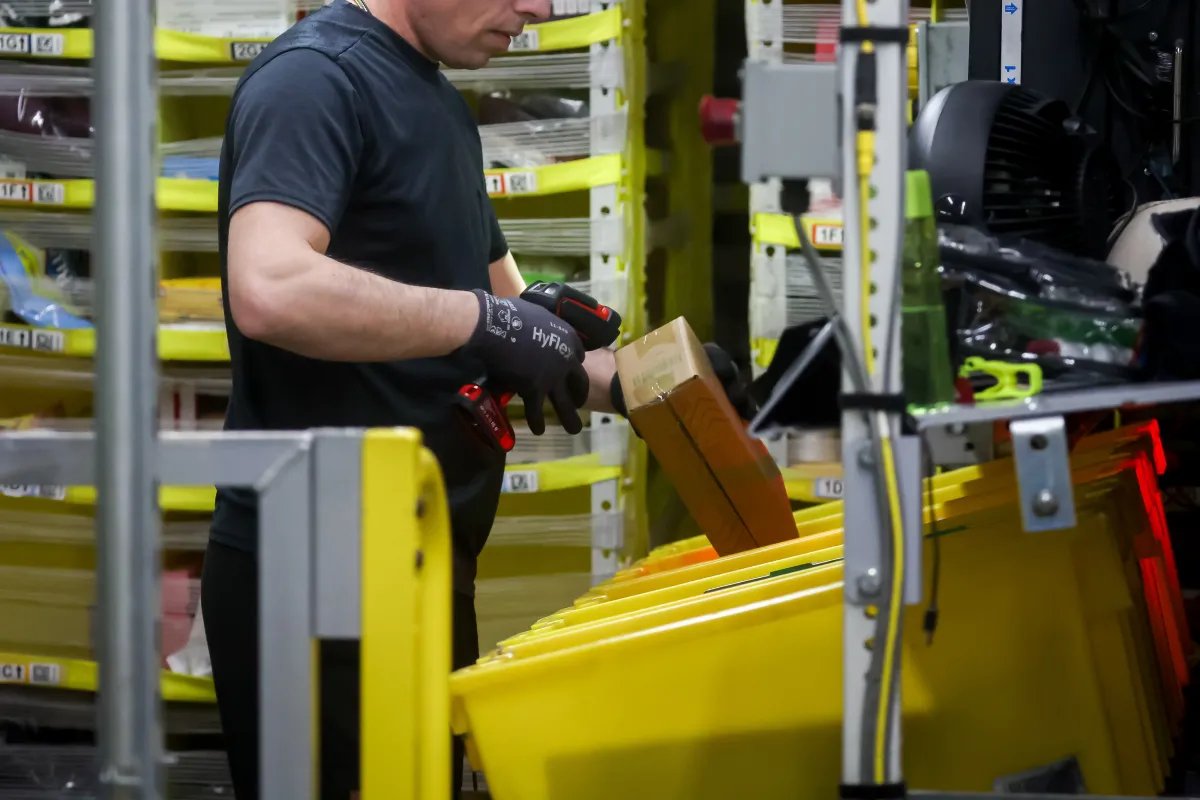
    In a heartbreaking incident that has drawn attention to workplace safety, an Amazon warehouse worker has tragically lost their life while on duty at a facility in Oregon. The circumstances surrounding the death have raised significant concerns among labor advocates, employees, and the broader community regarding the conditions in which warehouse workers operate.

    Incident Details

    While specific details surrounding the incident remain sparse, reports indicate that the worker was found unresponsive during their shift. Emergency services were called to the scene, and despite efforts to revive the individual, they were pronounced dead shortly thereafter. The identity of the worker has not yet been released, pending notification of family members.

    Response from Amazon

    Amazon has expressed condolences to the family and friends of the deceased worker. In a statement, the company emphasized its commitment to providing a safe working environment. “The safety of our employees is a top priority, and we are cooperating with local authorities to investigate the circumstances surrounding this tragic event,” the statement read.

    Concerns Over Workplace Safety

    This unfortunate incident comes at a time when Amazon has faced increasing scrutiny over its workplace safety practices. Reports from former and current employees have detailed a high-pressure environment characterized by demanding quotas and rigorous physical work. Critics argue that such conditions may contribute to workplace injuries and, in severe cases, fatalities.

    Labor advocates have long called for improved safety measures in warehouses. According to industry experts, an increase in automation and productivity demands has created an environment where employee well-being sometimes takes a backseat to efficiency and speed.

    Community Reaction

    The community surrounding the Amazon facility has been shaken by the news. Local residents and advocacy groups have voiced their concerns about the treatment of warehouse workers and the need for stricter safety regulations. Many are calling for an independent investigation into the incident and for Amazon to take actionable steps to ensure the safety and well-being of its employees.

    A Call for Change

    As the investigation unfolds, this tragic loss reiterates the urgent need for comprehensive reforms in Amazon’s warehouse operations. Employee safety should be paramount, and it is crucial that the company not only reassesses its safety protocols but also ensures that workers are treated with dignity and respect.

    Many are hopeful that this incident will serve as a wake-up call, prompting a serious discussion about labor rights and workplace safety standards across the logistics and warehousing sectors. Organizations advocating for worker rights emphasize that no family should experience the pain of losing a loved one in preventable workplace incidents.

    Conclusion

    The death of this Amazon warehouse worker is a profound loss, shining a light on the urgent need for change within the industry. As investigations continue, the focus must remain on honoring the memory of the deceased by advocating for a safer work environment for all employees. The incident serves as a reminder of the human lives behind the products we often take for granted and the importance of ensuring their safety and well-being.

  • The Power of Dividends: How to Build Wealth Through Income Stocks


    <h1>डायविडेंड की शक्ति: आय स्टॉक्स के माध्यम से धन कैसे बनाएं</h1>
    <p>
    धन निर्माण के कई तरीके हैं, लेकिन डायविडेंड स्टॉक्स एक ऐसा तरीका है जो निवेशकों को निरंतर आय प्रदान करता है। जब सही तरीके से उपयोग किया जाए, तो डायविडेंड एक ऐसा स्त्रोत बन सकता है जो समय के साथ-साथ आपके धन को बढ़ाता है।
    </p>
    <h2>डायविडेंड क्या है?</h2>
    <p>
    डायविडेंड वह राशि है जो कंपनी अपने लाभ का एक हिस्सा अपनी शेयरहोल्डर्स को प्रदान करती है। इसे नगद, स्टॉक्स, या अन्य रूपों में दिया जा सकता है। कंपनी यदि लाभ कमाती है, तो वह अपने शेयरधारकों को उस लाभ का कुछ हिस्सा वितरित करने का निर्णय ले सकती है।
    </p>
    <h2>आय स्टॉक्स का महत्व</h2>
    <p>
    आय स्टॉक्स वो कंपनियां होती हैं जो अपने शेयरधारकों को नियमित आधार पर डायविडेंड देती हैं। ये कंपनीयां आमतौर पर स्थिर होती हैं और उनके पास मजबूत वित्तीय स्थिति होती है। आय स्टॉक्स खरीदने से निवेशक को नियमित आय होती है, जिससे वह अपने मासिक खर्चों को संभाल सकता है या फिर निवेश के लिए पुनः उपयोग कर सकता है।
    </p>
    <h2>धन बनाने की प्रक्रिया</h2>
    <p>
    डायविडेंड स्टॉक्स में निवेश करने के कुछ महत्वपूर्ण तरीके हैं:
    </p>
    <ul>
    <li><b>निवेश की योजना बनाना:</b> अपनी वित्तीय स्थिति के अनुसार एक प्रभावी योजना बनाएं।</li>
    <li><b>विविधीकरण:</b> विभिन्न क्षेत्रों में निवेश करें ताकि जोखिम कम हो सके।</li>
    <li><b>रिवर्जन का पुनर्निवेश:</b> डायविडेंड को पुन: निवेश करें ताकि आपको अधिक लाभ मिल सके।</li>
    </ul>
    <h2>सावधानियाँ</h2>
    <p>
    डायविडेंड स्टॉक्स में निवेश करते समय कुछ सावधानियाँ बरतें:
    </p>
    <ul>
    <li>कंपनी के वित्तीय स्वास्थ्य की जाँच करें।</li>
    <li>डायविडेंड की स्थिरता और वृद्धि को समझें।</li>
    <li>अत्यधिक उच्च डायविडेंड यील्ड वाले स्टॉक्स से सावधान रहें, क्योंकि ये संभावित रूप से जोखिम भरे हो सकते हैं।</li>
    </ul>
    <h2>निष्कर्ष</h2>
    <p>
    डायविडेंड स्टॉक्स निवेशकों को एक प्रभावी तरीका प्रदान करते हैं जिससे वे समय के साथ धन बना सकते हैं। यदि आप इसके मूलभूत सिद्धांतों को समझते हैं और सही तरीके से निवेश करते हैं, तो आप स्थायी और निरंतर आय का स्रोत बना सकते हैं।
    </p>

  • The largest orbital compute cluster is open for business

    The largest orbital compute cluster is open for business

    The Largest Orbital Compute Cluster Is Open for Business: A New Era of Space Computing

    In a groundbreaking development for space exploration and technology, the largest orbital compute cluster has officially opened for business. This significant leap in computing capabilities from space authorities and private companies alike promises to revolutionize a myriad of fields—from satellite imagery analysis and global weather forecasting to advancements in artificial intelligence and machine learning.

    What Is an Orbital Compute Cluster?

    At its core, an orbital compute cluster consists of a network of interconnected satellites equipped with advanced onboard computing power. Unlike traditional computing systems that rely on terrestrial data centers, this cluster operates in low Earth orbit, enabling rapid data processing close to where it is collected. The advantage of this setup allows for low-latency communications and the ability to perform real-time analysis of vast amounts of data generated by Earth observation and other applications.

    Capabilities and Features

    1. Enhanced Data Processing:
      The orbital compute cluster is designed to handle complex algorithms and process large datasets quickly. This is particularly beneficial for industries that depend on rapid data processing, such as meteorology, agriculture, and environmental monitoring.

    2. AI and Machine Learning Integration:
      With the cluster’s high computational power, there is potential for significant advancements in AI and machine learning. Users can deploy algorithms on the cluster to analyze patterns in climate data, optimize supply chains, or even enhance disaster response strategies.

    3. Global Collaboration:
      The open-access model promotes collaboration among researchers, institutions, and private companies worldwide. This democratization of space technology invites innovative projects and accelerates development in various sectors.

    4. Real-Time Analytics:
      Leveraging real-time analytics enables organizations to make swift decisions based on current conditions, a feature crucial for emergency management and resource allocation during natural disasters.

    Applications Across Industries

    Environmental Monitoring

    The compute cluster offers scientists and environmentalists unprecedented capabilities for monitoring climate change, deforestation, and wildlife migrations. By deploying algorithms to the cluster, researchers can analyze data collected from various sensors, satellite imagery, and ground stations to gain insights into ecological changes and trends.

    Agriculture

    Farmers are adopting precision agriculture techniques that require intricate data analysis for crop yield optimization. The compute cluster can analyze satellite imagery, weather patterns, and soil samples in real time, allowing farmers to make informed decisions on irrigation, fertilization, and pest control.

    Urban Planning

    City planners can harness the cluster’s power to simulate urban development scenarios, analyze traffic patterns, and assess the impact of new infrastructure. This capability leads to more sustainable and efficient urban environments.

    Telecommunications

    Telecom companies can benefit from real-time network optimization and predictive maintenance, improving service delivery while minimizing downtime and operational costs.

    Future Prospects

    As the largest orbital compute cluster begins its operations, the implications for space technology and various industries are vast. The availability of such computational power in space could pave the way for further technological advancements, potential applications in space exploration, commercial ventures, and even remote scientific research in extraterrestrial environments.

    The successful deployment and operation of this cluster mark a new chapter in the intersection of space and technology. As scientists and engineers continue to innovate, we can expect to see the emergence of applications that were once confined to the realm of science fiction.

    Conclusion

    The opening of the largest orbital compute cluster signifies a monumental shift towards utilizing space as a platform for advanced computing. As the cluster becomes fully operational, it serves not only as a technological marvel but also as a catalyst for innovation across various sectors on Earth. Business leaders, researchers, and governments are now presented with endless possibilities to leverage this incredible resource, signaling a future where space and technology are more interconnected than ever before.

  • Investing in Uncertain Times: Strategies for Stock Market Resilience


    बाजार में अप्रत्याशित घटनाएँ और अस्थिरताएँ निवेशकों को नई चुनौतियों का सामना कराती हैं।
    हालाँकि, कुछ रणनीतियाँ हैं जो आपको इन समयों में बेहतर तरीके से नेविगेट करने में मदद कर सकती हैं।

    1. दीर्घकालिक दृष्टिकोण अपनाएँ

    अनिश्चितता के समय में सोचने का सबसे अच्छा तरीका दीर्घकालिक नजरिया रखना है।
    बाजार में उतार-चढ़ाव होंगे, लेकिन यदि आप दीर्घकालिक निवेशक हैं,
    तो आप अस्थायी परिवर्तनों का सामना करने के लिए बेहतर तैयार हैं।

    2. विविधीकरण

    अपने पोर्टफोलियो को विभिन्न प्रकार की संपत्तियों में वितरित करना आवश्यक है।
    इससे आपकी निवेश जोखिम कम होगा। विभिन्न क्षेत्रों, जैसे कि स्वास्थ्य, तकनीक,
    और वित्त में निवेश करने का प्रयास करें।

    3. बाजार की जानकारी रखें

    समाचार, आर्थिक आंकड़े और बाजार की जानकारी को लगातार अपडेट रखें।
    बाजार की मौजूदा स्थिति समझने से आपको सही निर्णय लेने में मदद मिलेगी।

    4. अनुशासन रखें

    भावनाओं से प्रभावित होकर निवेश निर्णय लेना खतरनाक हो सकता है।
    एक ठोस योजना बनाएं और उसके अनुसार चलने की कोशिश करें।

    5. विशेषज्ञ की सलाह लें

    यदि आप आत्म-निवेश में विश्वास नहीं करते हैं, तो एक वित्तीय सलाहकार की मदद लेने पर विचार करें।
    वे आपको सही दिशा में मार्गदर्शन कर सकते हैं।

    6. नियमित जांच

    अपने पोर्टफोलियो की नियमित जांच करें।
    यदि आवश्यक हो तो अपनी रणनीतियों को समायोजित करें।
    बाजार की स्थिति के अनुरूप अपने पोर्टफोलियो को अपडेट करना महत्वपूर्ण है।

    निष्कर्ष

    अनिश्चित समय में निवेश करना एक चुनौतीपूर्ण कार्य हो सकता है,
    लेकिन सही रणनीतियों का पालन करके आप अपने निवेश को सुरक्षित रख सकते हैं।
    हमेशा एक दीर्घकालिक दृष्टिकोण अपनाना याद रखें और विविधीकरण के महत्व को न भूलें।

    © 2023 निवेश सलाहकार

  • Top 10 Stock Market Myths Debunked: What Every Investor Should Know


    The stock market is a place of opportunity, but it is often surrounded by myths and misconceptions that can mislead potential investors. Here are the top 10 stock market myths debunked to help you make informed investment decisions.

    1. Myth: You Need a Lot of Money to Invest

    Many believe you need thousands of dollars to start investing, but with options like fractional shares and online brokerages, you can start with as little as $5.

    2. Myth: The Stock Market is Like Gambling

    Unlike gambling, where outcomes are random, investing in stocks is based on research, analysis, and trends. It’s a calculated risk where informed decisions lead to better outcomes.

    3. Myth: You Have to Time the Market

    Trying to time the market is nearly impossible. Long-term investing and dollar-cost averaging typically yield better results than trying to predict market highs and lows.

    4. Myth: High Returns are Guaranteed

    No investment comes with guaranteed returns. While stocks historically provide higher returns than other asset classes, they also come with risks.

    5. Myth: You Should Sell When the Market Drops

    Panic selling during a market downturn can lock in losses. Staying the course and maintaining a long-term perspective is often wiser.

    6. Myth: Dividends Are More Important Than Stock Price Gains

    While dividends are attractive, a company’s stock price appreciation can lead to substantial gains. A balanced view considers both dividends and growth potential.

    7. Myth: Only Experts Can Invest Successfully

    With the right education and resources, anyone can learn to invest wisely. Many successful investors started as beginners with no formal training.

    8. Myth: All Stocks Carry the Same Risk

    There’s a wide range of risk levels in stocks. Blue-chip companies tend to be more stable than small-cap stocks, which can be more volatile.

    9. Myth: You Should Always Invest in Hot Stocks

    Just because a stock is trending doesn’t ensure a smart investment. It’s essential to research and understand what you’re investing in.

    10. Myth: You Can’t Lose Money in Long-term Investments

    Even long-term investments can decline in value. However, the market generally trends upward over extended periods, making patience key.

    In conclusion, understanding these myths can equip you with better knowledge and confidence in your investing journey. Always do thorough research and consider consulting with a financial advisor for personalized advice.

    © 2023 Your Name. All rights reserved.

  • Navigating the Bull and Bear: A Beginner’s Guide to Stock Investing


        <p>Investing can be a thrilling yet daunting venture, especially for beginners. Understanding the basic concepts of stock markets is crucial for making informed decisions. A fundamental part of this knowledge is grasping the terms "bull" and "bear" markets, which describe the trends of the stock market.</p>
    <h2>What is a Bull Market?</h2>
    <p>A bull market refers to a period of rising stock prices, characterized by investor optimism and strong economic indicators. During these times, investors are more likely to buy stocks, anticipating continued growth. Key traits of a bull market include:</p>
    <ul>
    <li>Stock prices rising consistently over time.</li>
    <li>High investor confidence.</li>
    <li>Positive economic indicators, such as low unemployment and high GDP.</li>
    </ul>
    <h2>What is a Bear Market?</h2>
    <p>Conversely, a bear market signifies a period of declining stock prices, often resulting from widespread fear or pessimism among investors. Key characteristics include:</p>
    <ul>
    <li>Stock prices dropping by 20% or more.</li>
    <li>Investor anxiety and a lack of confidence.</li>
    <li>Negative economic indicators, such as rising unemployment and decreasing GDP.</li>
    </ul>
    <h2>Understanding Market Cycles</h2>
    <p>The stock market operates in cycles, alternating between bull and bear markets. It’s essential to recognize where the market stands within this cycle to make educated investment choices. Here are some tips for navigating these cycles:</p>
    <h3>Investing in a Bull Market</h3>
    <ul>
    <li>Focus on growth: Look for companies that are expanding and showing robust financial performance.</li>
    <li>Consider diversification: Spread your investments across various sectors to mitigate risk.</li>
    <li>Stay informed: Keep abreast of market trends and economic signals.</li>
    </ul>
    <h3>Investing in a Bear Market</h3>
    <ul>
    <li>Look for bargains: High-quality stocks often become undervalued during bear markets.</li>
    <li>Consider defensive sectors: Utility and healthcare stocks can be more stable during downturns.</li>
    <li>Maintain a long-term perspective: Bear markets can be challenging, but they are usually followed by recovery.</li>
    </ul>
    <h2>Conclusion</h2>
    <p>Stock investing can be both rewarding and risky, but understanding the nuances of bull and bear markets can empower beginners to make informed decisions. Always remember to do thorough research and consider seeking guidance from financial professionals.</p>
    <footer>
    <p>&copy; 2023 Stock Market Guide. All Rights Reserved.</p>
    </footer>
    </article>

  • Navigating the Bull and Bear: A Beginner’s Guide to Stock Investing


    Investing in the stock market can seem like navigating a maze of opportunities and risks. With terms like “bull markets” and “bear markets” frequently thrown around, it can be challenging for beginners to find their footing. This guide aims to demystify stock investing and provide practical insights for new investors.

    Understanding the Basics

    Before diving into investing, it’s crucial to understand some fundamental concepts:

    • Stocks: These are shares in the ownership of a company. When you buy a stock, you become a part-owner of that company.
    • Bull Market: A market condition where stock prices are rising or are expected to rise. Investors are generally optimistic about the economy.
    • Bear Market: A market condition where stock prices are falling or are expected to fall. This often leads to negative investor sentiment.

    Setting Your Investment Goals

    Before you begin investing, clarify your goals. Are you saving for retirement, a home, or education? Understanding your timeline and risk tolerance is essential for choosing the right investment strategy.

    Choosing the Right Stocks

    Research is key when selecting stocks. Here are a few strategies to consider:

    • Value Investing: Look for undervalued stocks with strong fundamentals, focusing on long-term growth.
    • Growth Investing: Invest in companies that show potential for substantial growth, even if it means higher valuation ratios.
    • Dividend Investing: Invest in companies that pay dividends, providing a steady income stream.

    Diversification: Don’t Put All Your Eggs in One Basket

    Diversification helps manage risk by spreading your investments across various sectors and assets. This way, if one stock performs poorly, others may perform well, minimizing potential losses.

    Staying Informed and Updated

    The stock market is influenced by various factors, including economic indicators, company performance, and global events. Regularly follow market news and analysis to make informed decisions.

    Common Mistakes to Avoid

    As a beginner, watch out for these common pitfalls:

    • Emotional Investing: Avoid making impulsive decisions based on fear or greed.
    • Neglecting Research: Always conduct research before investing in a stock.
    • Timing the Market: It’s difficult to predict market movements. Instead, focus on a long-term strategy.

    Conclusion

    Investing in stocks offers an exciting opportunity to grow your wealth, but it requires careful planning and education. By understanding market conditions, setting clear goals, and conducting thorough research, you can navigate the bull and bear markets more effectively. Begin your investing journey with patience and a willingness to learn.

    Happy investing!

  • Hello world!

    Welcome to WordPress. This is your first post. Edit or delete it, then start writing!